Archive
69 pieces of security research, engineering and field notes.
MCP-based AI orchestration moves OAuth tokens, access grants and memory persistence into the same execution path. Credential handling is now the weakest link in the AI supply chain.
May 2026 supply-chain compromises showed that poisoned developer tooling now targets the identity and execution layer before code reaches a repository.
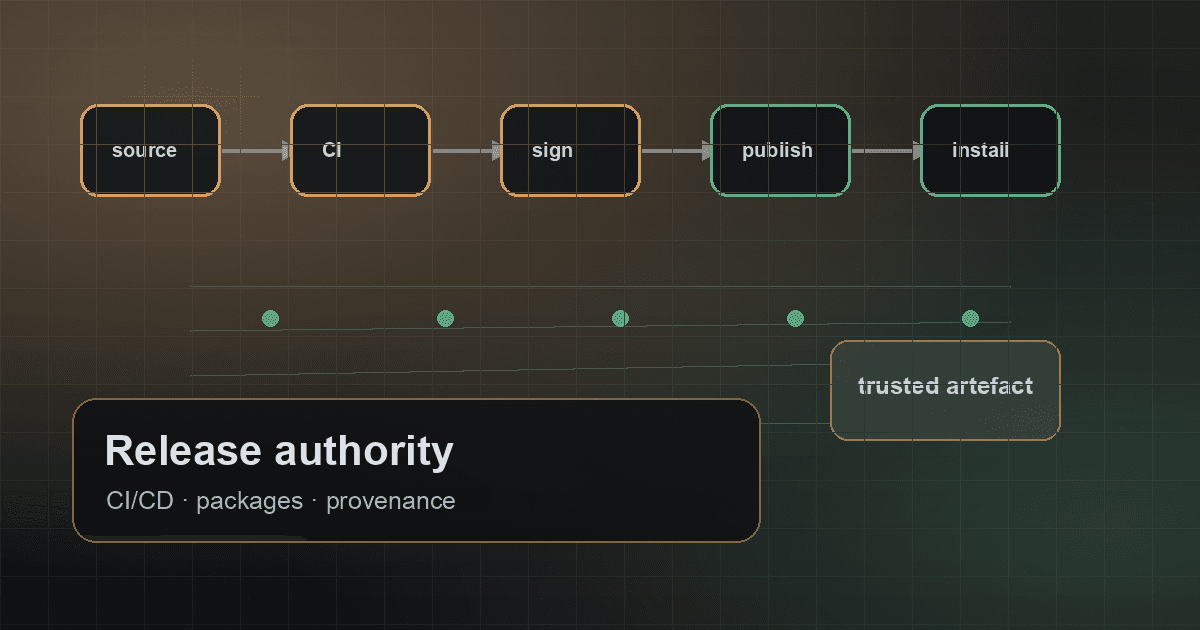
Supply chain compromise has shifted from stealing credentials to poisoning package ecosystems through compromised CI/CD systems, maintainer accounts and trusted execution paths.
maboloshi/github-chinese inserted third-party translation API responses into GitHub pages as HTML. PR #692 changes that untrusted response handling to text nodes.
RAGFlow's deserialize_b64 helper defaulted to bare pickle.loads behind an unset safety flag. PR #14803 makes RestrictedUnpickler the only path.
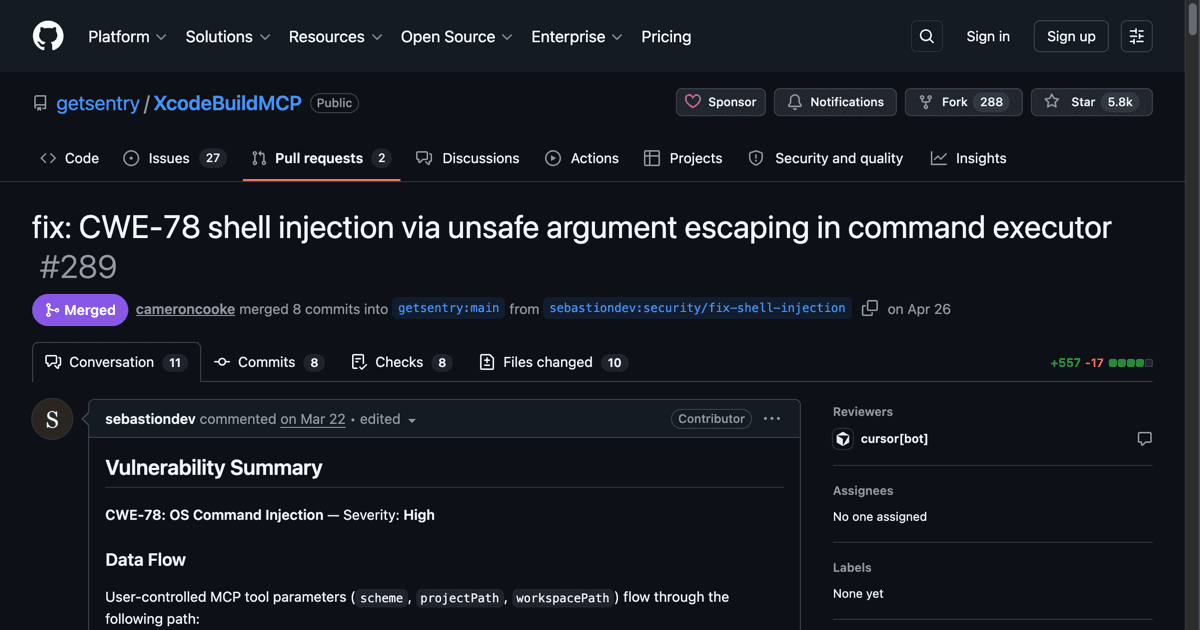
getsentry/XcodeBuildMCP accepted MCP tool parameters that could reach /bin/sh -c through unsafe double-quote escaping. PR #289 replaces that path with POSIX single-quote escaping and adds regression coverage.
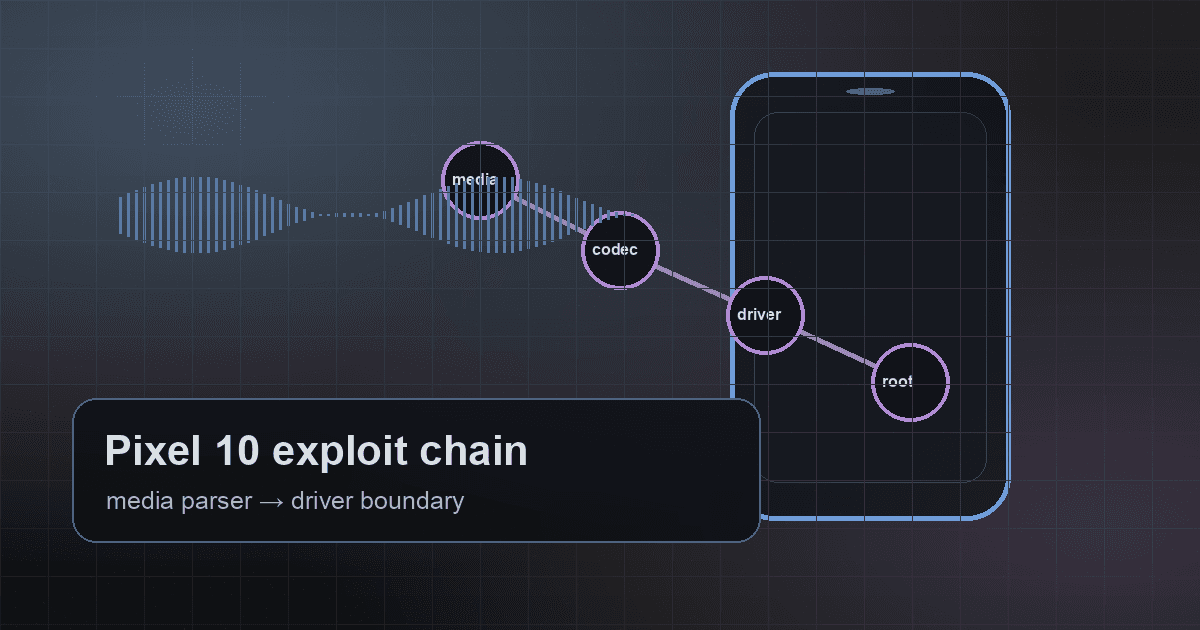
Google Project Zero's Pixel 10 zero-click chain shows how Android hardening changes exploit shape without removing reachable attack surface in media parsing and device drivers.
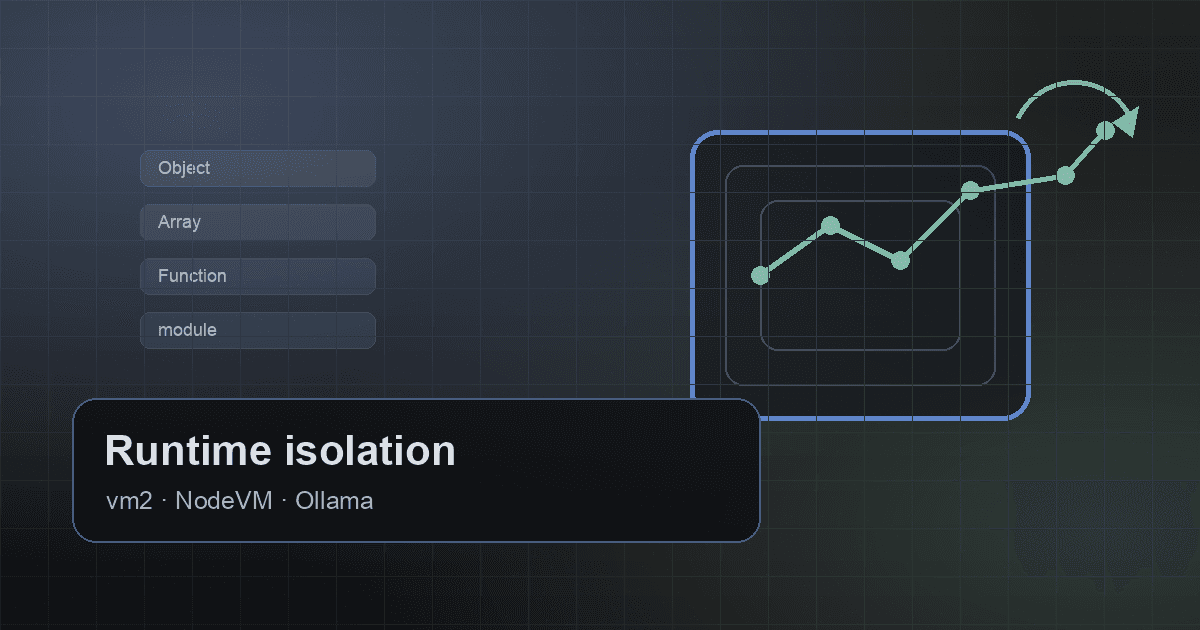
Recent vm2, NodeVM and Ollama flaws show a recurring failure pattern: developer-friendly JavaScript isolation is being treated as a hard security boundary when the runtime was never designed to provide one.
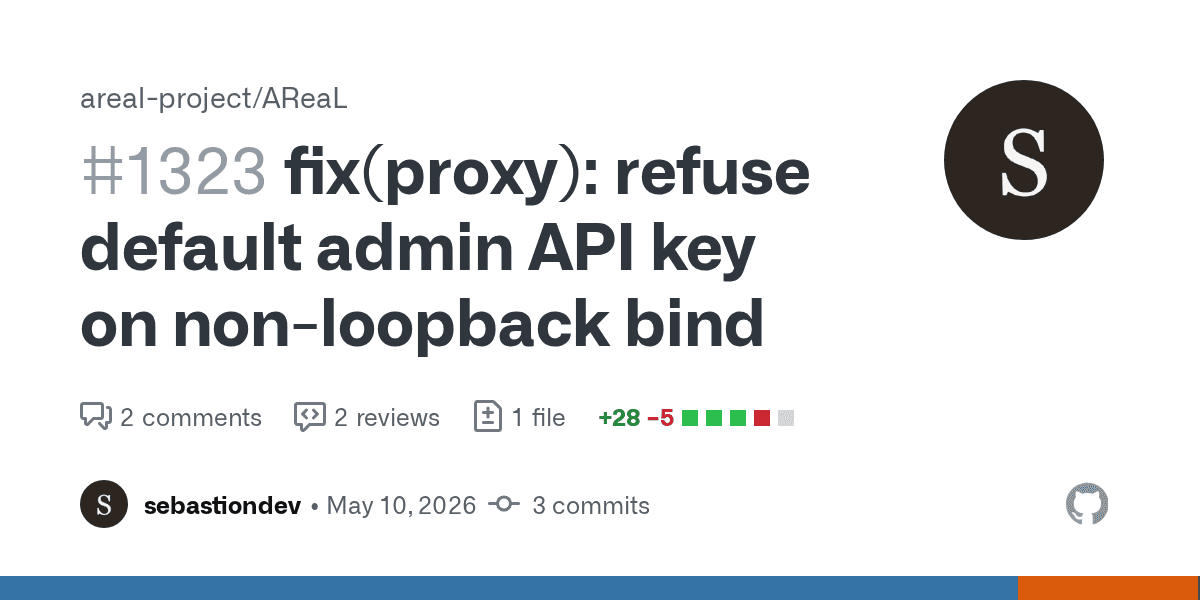
AReaL's proxy rollout server used a public default admin API key while binding to a network interface by default. PR #1323 turns that insecure default into a startup failure.
Harbor accepted remotely downloaded profile values that could later be expanded through eval, allowing command injection through a configuration import path. PR #236 adds validation before remote profiles are installed.
Softeria's ms-365-mcp-server forwarded client-supplied OAuth redirect_uri values to Microsoft Entra without local validation. PR #456 adds scheme checks, loopback-only HTTP defaults and an exact-match allowlist for hosted deployments.
CodeGraphContext's visualisation endpoint accepted arbitrary Cypher through /api/graph and passed it directly to Neo4j. PR #882 adds the missing read-only guard.