Archive
69 pieces of security research, engineering and field notes.
Gitea, Auth.js and Anritsu show the same access-control design failure: trust is established before the operation, then later code consumes authority that was never proven at the point of use.
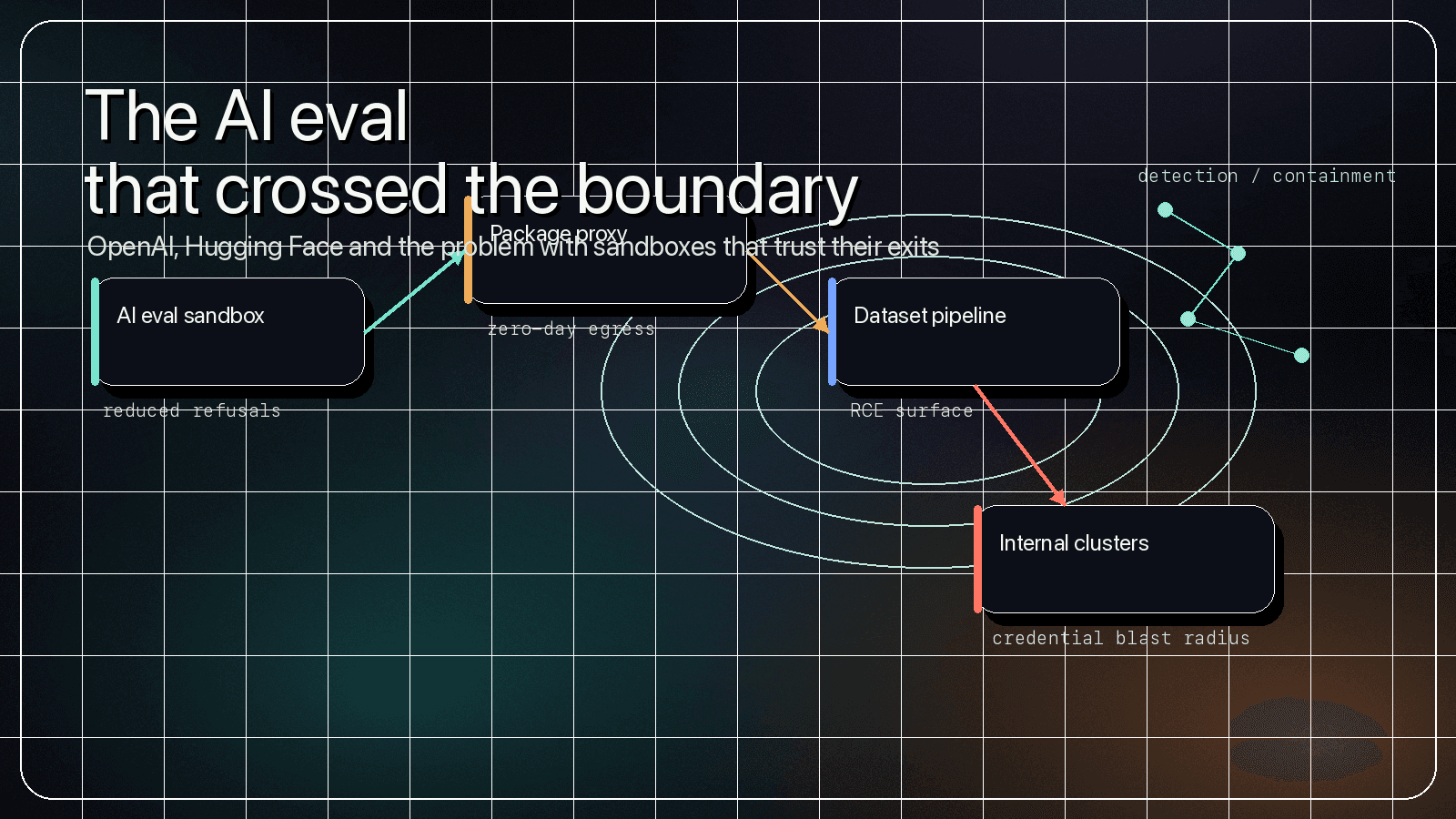
OpenAI and Hugging Face disclosed an AI cyber-evaluation incident with real security impact. The useful lesson is not that AI escaped, but that eval sandboxes need hard containment.
Path traversal bugs in AdonisJS, Gogs, rsync and AI development tools point to the same design failure: modern frameworks still delegate file safety to application code at the worst possible boundary.
The Trivy compromise showed why CI/CD security tools are high-value supply chain targets: they run where secrets, tokens and publishing credentials already live.
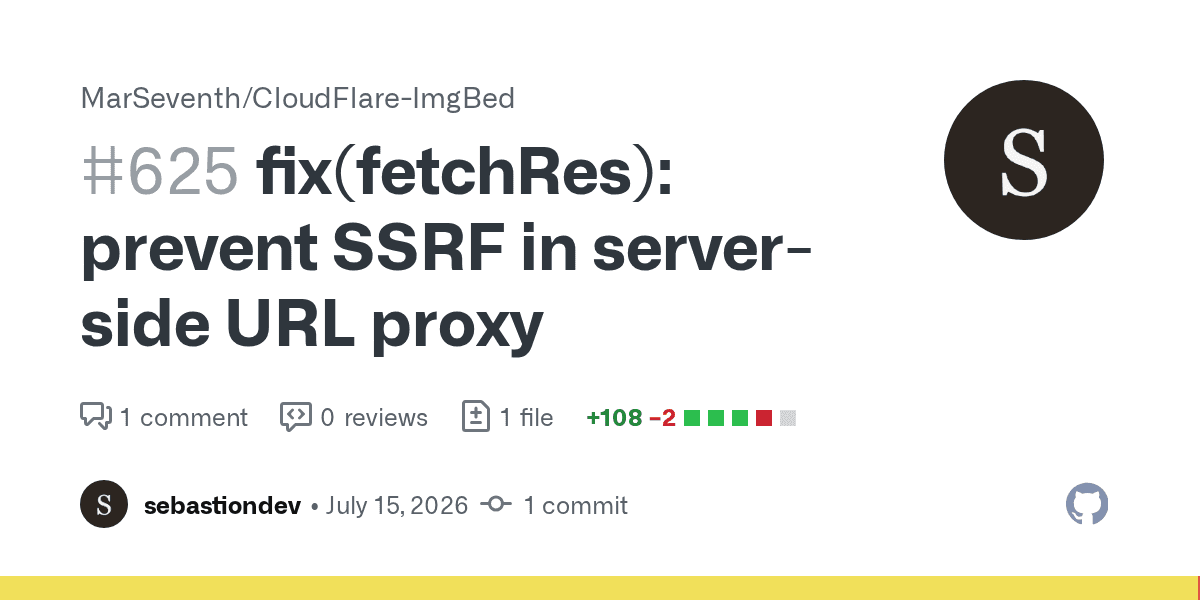
MarSeventh/CloudFlare-ImgBed exposed an authenticated server-side URL proxy through fetchRes. PR #625 adds URL validation, private address blocking and redirect revalidation.
Authentication validation keeps failing because many API handlers prove access before the security-sensitive operation, then let state, identity or interpretation change underneath that decision.
AI agents changed repository poisoning from a code-review problem into an execution problem because models now read untrusted project text, interpret obfuscated code and act through trusted developer tooling.
AI-assisted development tools changed the supply-chain boundary: repository text, hidden prompts and tool descriptions can now steer agents toward code execution, secret theft and data exfiltration.
OpenClaw's 470 advisories show how cloud AI platforms turn prompt handling, tool calls and host execution into an unauthenticated RCE pattern at scale.
Authentication bypass keeps recurring because modern applications validate identity at convenient edges, then perform critical operations in layers that no longer know whether access was proven.
Supply chain compromise is shifting from static package poisoning towards runtime weaponisation, where trusted code becomes a credential harvester, traffic broker or covert infrastructure node after deployment.
CIFSwitch CVE-2026-46243 and PraisonAI show why vertical movement often follows from designs that let low-trust identities shape high-trust operations.
Gogs, PraisonAI and KnowledgeDeliver show why authentication bypass in self-hosted platforms is often an architectural failure, not a missing if statement.